Hi there — welcome to Draw Medicine!
My name is Dr. Rebecca Kellner and I'm the founder of Draw Medicine. I'm also an Ophthalmology resident.
My mission is to help people — patients — with their health problems. I want to provide patients with the best care possible to improve people's health and to also try to prevent health problems from arising in the future. This has been my mission for some time now, ever since I decided to go to medical school. It's why I became a doctor — I want to help people.
This is not unique. For the most part, this is the reason why most healthcare professionals become healthcare professionals. Whether you're a nurse, a physician assistant, a doctor or some other healthcare professional — you probably got into healthcare because you're compassionate and want to help people. You care about others.
Unfortunately, many patients don't get the care they need. This could be for many reasons, but one of the biggest reasons is due to low health literacy.
What is health literacy and how will improving health literacy impact healthcare
So what is health literacy? Health literacy is defined as the degree to which individuals have the capacity to obtain, process, and understand basic health information and services needed to make appropriate health decisions. In short, it's a person's ability to make appropriate health decisions based on the basic health information and services they've been given.
Sounds basic, right? But this is not a small issue.
In the United States, nearly 9 out of 10 adults struggle with low health literacy. That's a lot of people who aren't able to make appropriate health decisions for themselves or loved ones. This means that most patients don't understand what actions they need to take to treat themselves correctly, or yet, what actions they can take to prevent certain health issues from arising in the future.
Limited health literacy can cause increased healthcare costs for patients, more visits to the hospital or doctor, longer hospital stays for patients, and billions of extra costs for the healthcare system.
Not only does the healthcare system suffer, but most importantly, patients suffer. Patient care is worse off because of low health literacy.
Though low health literacy is highly correlated with education, socioeconomic levels, and marginalized populations — don’t be fooled. Everyone can suffer from low health literacy.
Remember, only 1 out every 10 adults have proficient health literacy, which means even people who have a higher level suffer from low health literacy.
And that's unfortunate because as doctors, it’s our job to make sure our patients feel comfortable, and really understand what's going on with their bodies.
Low health literacy impacts almost everyone in one way or another — and everyone can gain from improving their health literacy. And remember, improving health literacy is all done with the mission of improving healthcare and helping people get the care they need.
So what is one solution to improving low health literacy in healthcare? Improve communication with Drawing.
The way that I see it, there are two main solutions to improving health literacy levels.
We can either put the responsibility on the patients or we can put the responsibility in the hands of doctors. We can expect more from patients by giving them more materials, resources, and education to learn more about their bodies or we can expect more from physicians by asking them to improve their communication skills.
I think either way is an acceptable approach, but being that I am a healthcare provider, I’ve always thought that the weight of responsibility to ensure that patients are health literate and understand and retain health information should be with healthcare providers.
However, many physicians aren't trained or properly equipped to do this. And not only that, but the tools and resources doctors are given to provide to their patients oftentimes are not super helpful.
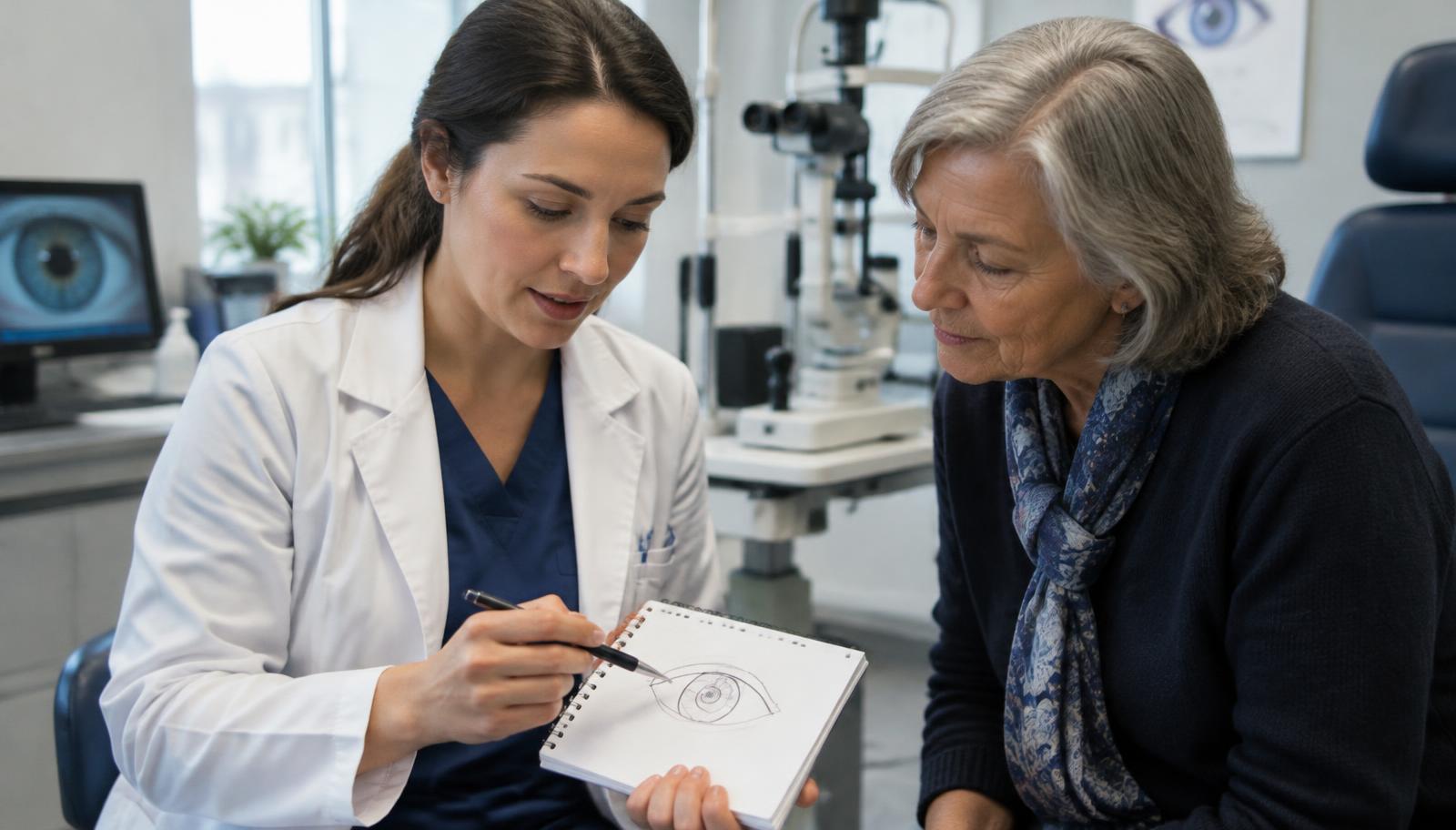
I built Draw Medicine to ease the burden that comes with clinician-patient communication. I’ve used drawing to reduce anxiety, build trust, and help patients feel like partners in their own care — and so I want to equip all clinicians with these skills, whether you know how to draw or not.
Draw Medicine was built to improve health literacy and to make sure patients get the care they deserve. That responsibility starts with us, the healthcare providers, to create a world where clinician-patient communication is clearer, friendlier, and more human.