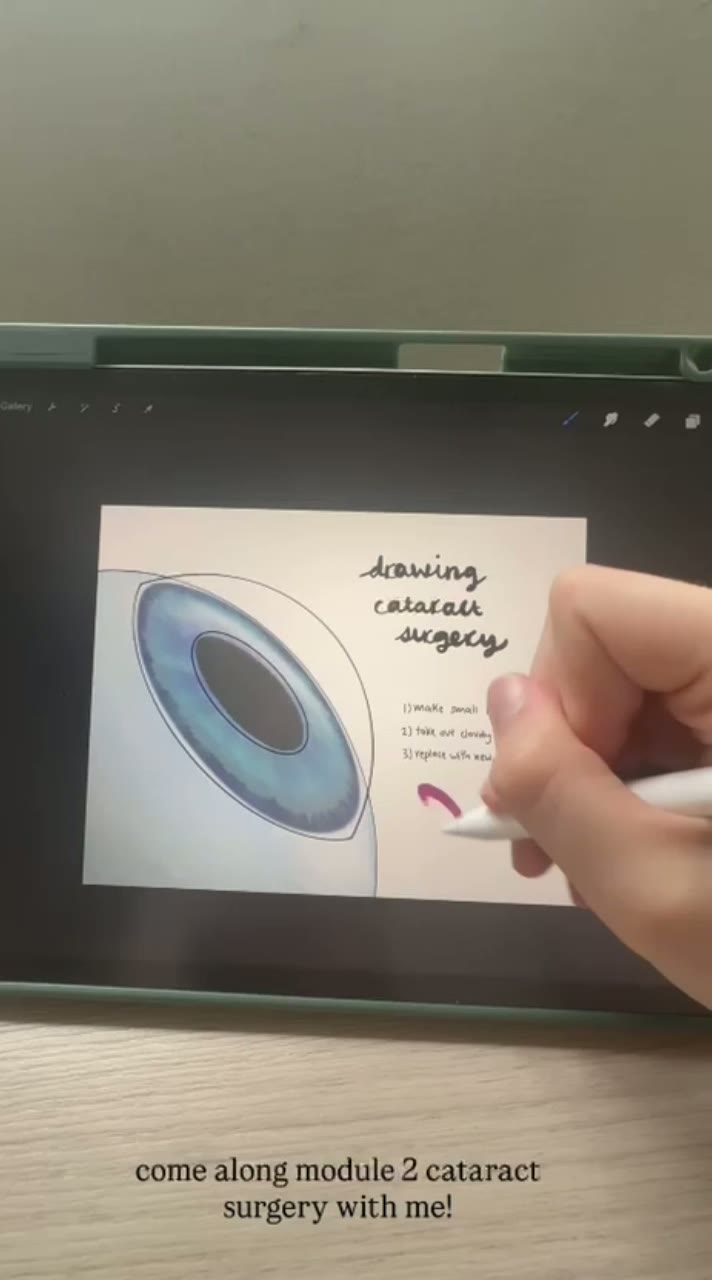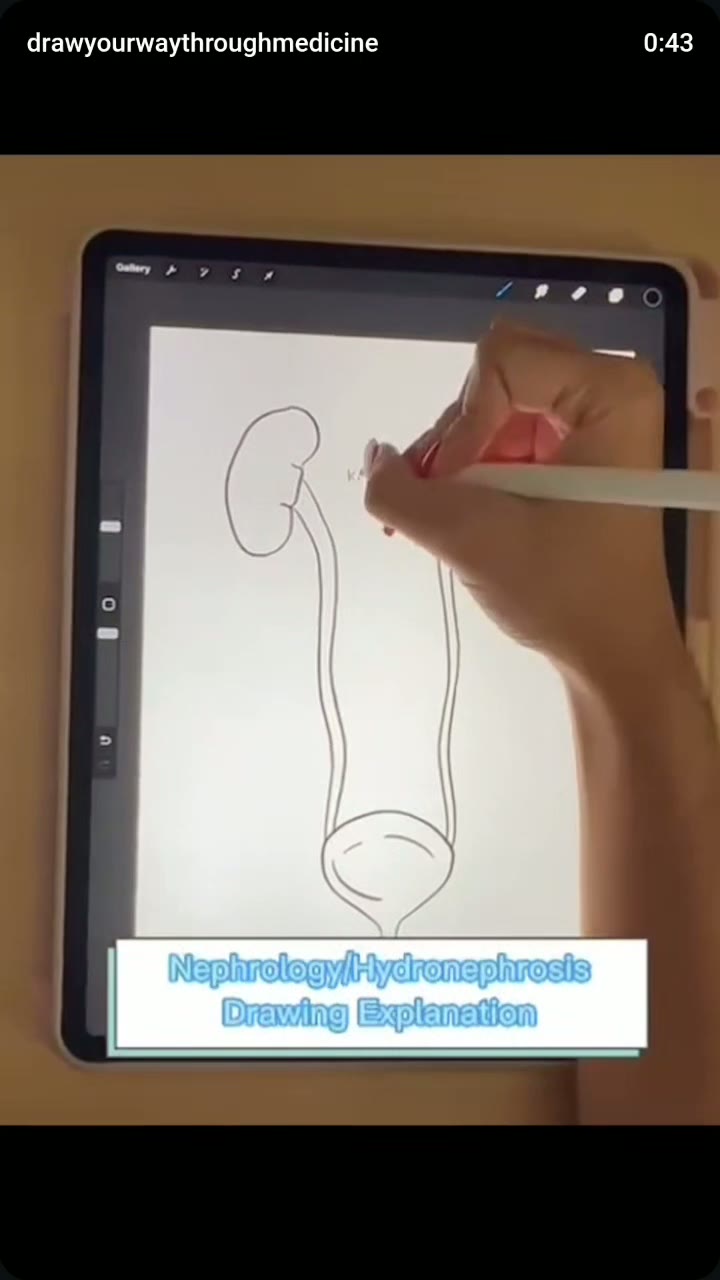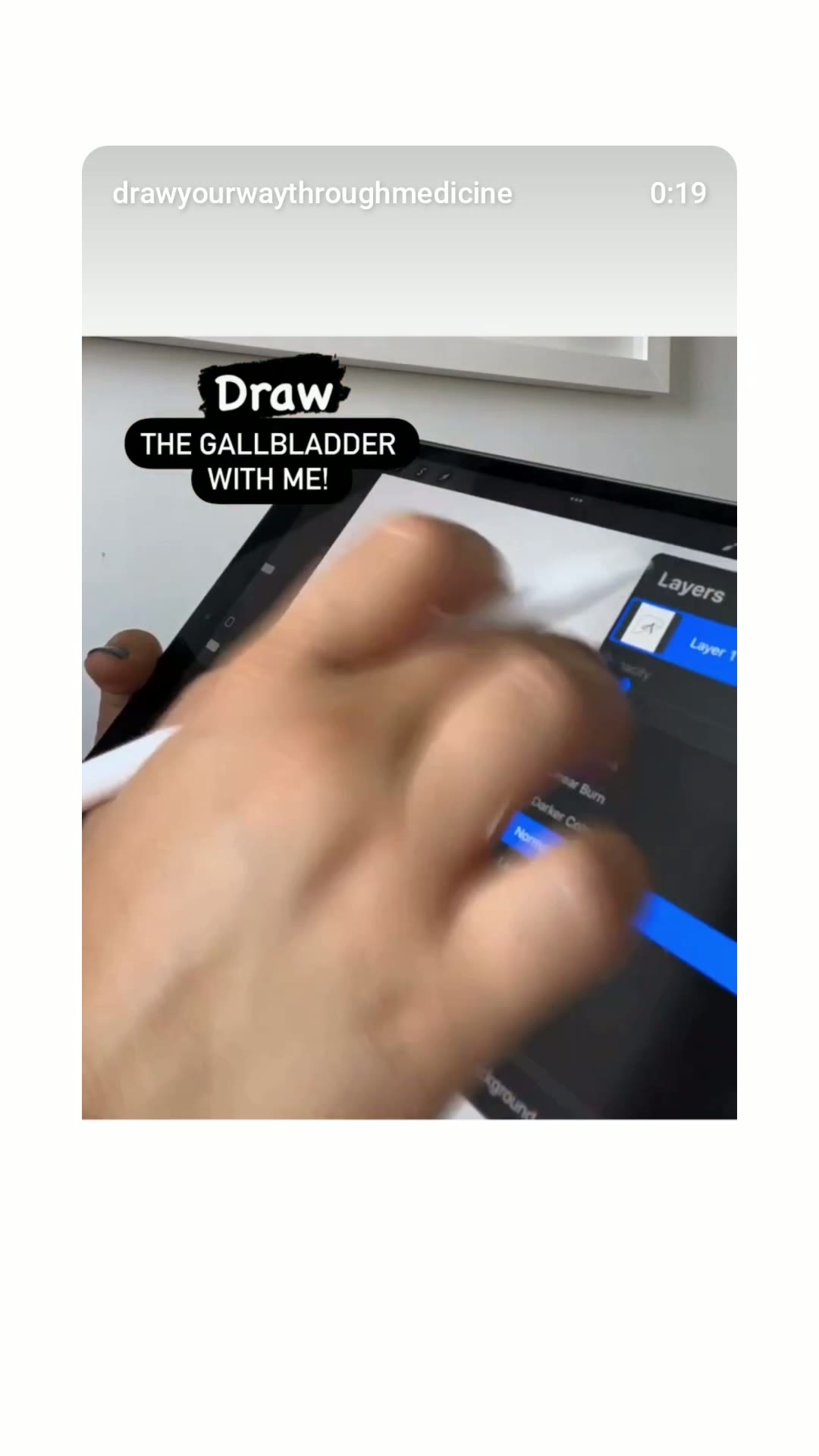




Are you a pre-med looking to do something different this summer?

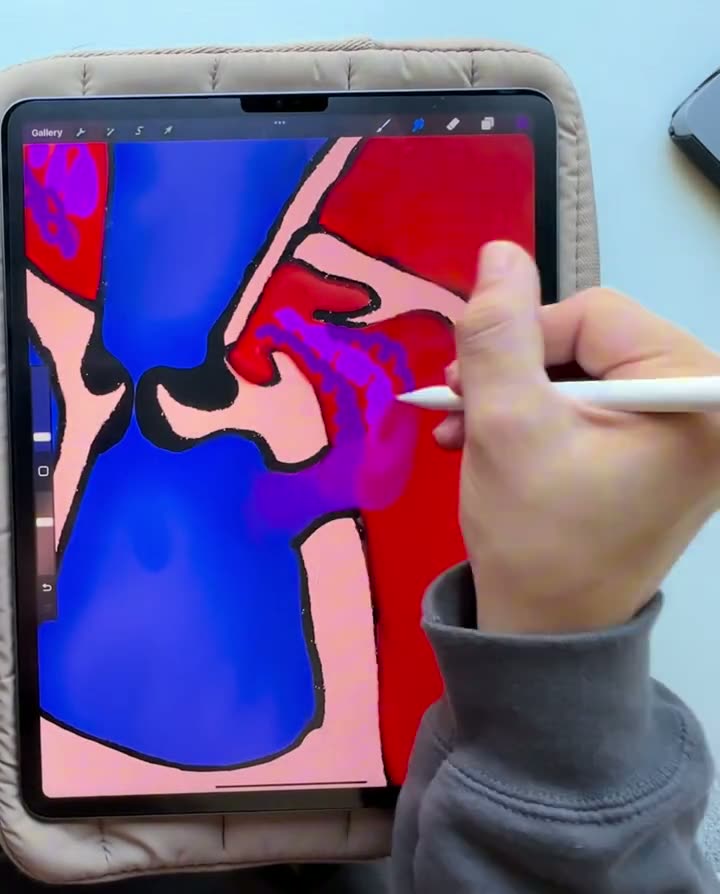
Join the Draw Medicine pre-med fellowship — a pre-clinical, remote, asynchronous program for pre-med and gap-year students that teaches medicine through drawing.

HarvardPrincetonCornellJohns HopkinsDartmouthUniversity of PennsylvaniaNorthwesternUniversity of ChicagoBrownDukeGeorgetownVanderbiltNotre DameEmoryUCLAUC BerkeleyUniversity of MichiganUniversity of VirginiaCarnegie MellonUSCBoston CollegeUniversity of WashingtonUniversity of FloridaUniversity of TexasOhio StateUniversity of MarylandStanfordWashington University in St. LouisRiceNYUPenn State UniversityBaylor UniversityUniversity of MissouriLouisiana State UniversityUniversity of WisconsinGeorgia TechUniversity of TennesseeMichigan State UniversityCase Western Reserve UniversityBoston UniversityRutgers UniversityUniversity of RochesterWake Forest UniversityStony Brook UniversityUniversity of PittsburghBinghamton UniversityIndiana UniversityHarvardPrincetonCornellJohns HopkinsDartmouthUniversity of PennsylvaniaNorthwesternUniversity of ChicagoBrownDukeGeorgetownVanderbiltNotre DameEmoryUCLAUC BerkeleyUniversity of MichiganUniversity of VirginiaCarnegie MellonUSCBoston CollegeUniversity of WashingtonUniversity of FloridaUniversity of TexasOhio StateUniversity of MarylandStanfordWashington University in St. LouisRiceNYUPenn State UniversityBaylor UniversityUniversity of MissouriLouisiana State UniversityUniversity of WisconsinGeorgia TechUniversity of TennesseeMichigan State UniversityCase Western Reserve UniversityBoston UniversityRutgers UniversityUniversity of RochesterWake Forest UniversityStony Brook UniversityUniversity of PittsburghBinghamton UniversityIndiana University

We survey all of our Fellows. Here is a snapshot of their responses from those surveys.

0%

Learned a practical skillset

This a practical skillset that will help them on their medical journey (shadowing, research, med school, patient care, studying).

0%

More confident and prepared

With drawing skills, students feel that they can offer more value in both clinical and research settings

0%

Recommend the Fellowship

Almost every one of our fellows recommends the program to their pre-med and pre-health peers

Fellow Stories

Hear it from the Fellows.

TarahTarahHarvard, Fellow '23
The fellowship was truly amazing in teaching us a brand new skill set in medical-based digital drawing. It was an incredible opportunity to learn how to create accurate and detailed illustrations that could be used in the medical field. I'm grateful for the chance to have been able to learn from Dr. Kellner and enhance my skills in both medical drawing and health literacy.
ManasiManasiGeorgia Tech University, Fellow '24
I loved being a part of the fellowship this summer and I'm so grateful for this amazing community that you and Dr. Kellner put together to give all of us a collaborative experience. I think the fellowship gave me a different perspective on something I've seen throughout my life, and it's given me yet another reason to pursue a career in medicine.
IsabellaIsabellaNortheastern University, Fellow '25
Throughout my college experience, I took the basic pre-med requirements, but none scratched the surface of medicine, terminology, and procedures that are common in different areas of medicine. I mostly learned about molecular science in terms of taking multiple biology and chemistry classes, so this fellowship provided a new perspective on medicine that advanced my knowledge.
GiuliaGiuliaGeorgetown University, Fellow '24
I cannot believe that the Fellowship, and summer, has already come to an end!! I can't wait to use my new drawing skills for my classes. I feel like the Fellowship has provided me with invaluable skills and resources as a pre-med student, and for that I am so appreciative. It definitely exceeded my expectations and I am so happy that I was able to participate.
AndreannaAndreannaUniversity of Michigan, Fellow '23
As a pre-med student, I think it is really inspiring to be able to engage with material about patient care, communication, and treatment. It is easy to lose sight of the more humanistic side of medicine, but engaging with it in the format of this fellowship has been really uplifting.
MiaMiaUniversity of North Carolina, Fellow '24
The fellowship was an absolutely amazing experience, and I am so grateful to have been a part of it! I had a fantastic time, improved my knowledge of health literacy, and learned to draw so many interesting medical procedures (and how to explain them). I definitely will continue to use everything I learned and build upon it.
TarahTarahHarvard, Fellow '23
The fellowship was truly amazing in teaching us a brand new skill set in medical-based digital drawing. It was an incredible opportunity to learn how to create accurate and detailed illustrations that could be used in the medical field. I'm grateful for the chance to have been able to learn from Dr. Kellner and enhance my skills in both medical drawing and health literacy.
ManasiManasiGeorgia Tech University, Fellow '24
I loved being a part of the fellowship this summer and I'm so grateful for this amazing community that you and Dr. Kellner put together to give all of us a collaborative experience. I think the fellowship gave me a different perspective on something I've seen throughout my life, and it's given me yet another reason to pursue a career in medicine.
IsabellaIsabellaNortheastern University, Fellow '25
Throughout my college experience, I took the basic pre-med requirements, but none scratched the surface of medicine, terminology, and procedures that are common in different areas of medicine. I mostly learned about molecular science in terms of taking multiple biology and chemistry classes, so this fellowship provided a new perspective on medicine that advanced my knowledge.
GiuliaGiuliaGeorgetown University, Fellow '24
I cannot believe that the Fellowship, and summer, has already come to an end!! I can't wait to use my new drawing skills for my classes. I feel like the Fellowship has provided me with invaluable skills and resources as a pre-med student, and for that I am so appreciative. It definitely exceeded my expectations and I am so happy that I was able to participate.
AndreannaAndreannaUniversity of Michigan, Fellow '23
As a pre-med student, I think it is really inspiring to be able to engage with material about patient care, communication, and treatment. It is easy to lose sight of the more humanistic side of medicine, but engaging with it in the format of this fellowship has been really uplifting.
MiaMiaUniversity of North Carolina, Fellow '24
The fellowship was an absolutely amazing experience, and I am so grateful to have been a part of it! I had a fantastic time, improved my knowledge of health literacy, and learned to draw so many interesting medical procedures (and how to explain them). I definitely will continue to use everything I learned and build upon it.
See more success stories

Learn it early. Use it forever.

You don’t need to wait until you’re a medical student or a doctor to use it.

The earlier you learn drawing skills, the more you can use them and the more valuable they become — particularly as a pre-med.

Elevate yourself with a unique skillset

Become a differentiated candidate. Very few pre-meds can draw pathologies and procedures, and communicate visually with patients. Not only is it practical, but it also shows medical schools you're serious about patient education and improving health literacy.
Study smarter for pre-med courses and MCAT

Don't just memorize the material. Actually understand it. Drawing unlocks multi-modal learning, enhancing comprehension and improving retention. Whether for Biochemistry, Anatomy, Chemistry, or the MCAT, use it to understand the material better.

Open doors in clinical and research

As a pre-med, it's hard to offer value. Not only will you be more prepared, but you'll be able to create opportunities to contribute in clinical and research settings by being able to draw.

Gain exposure to medical specialties

Don't wait until medical school to decide what area of medicine to pursue. Gain valuable exposure to a wide range of specialties so you can optimize your clinical opportunities and pursue the ones that actually interest you.

What you get.

Everything included in the
Pre-Med Summer Fellowship.

Case-Based Learning
Modules
In-Depth Exposure to 8
Areas of Medicine
Drawing Lessons with
Library of Templates
Live Virtual Workshop
with Dr. Kellner
Free Procreate License
(iPad not required)
Health Literacy Certificate

Take it further with additional
opportunities (available separately)

Physician-Led Group
Trainings
One-on-One Feedback
Sessions
Suturing training class
virtually-led
Shadowing support and
Resources
Pre-Med Community
and Networking
Med Student Mentors

Hey there —

There’s a good chance we know why you’re here.

You’ve decided you want to be a doctor. But now what? You need to figure out which area of medicine interests you. Pediatrics, Ophthalmology, Interventional Radiology, Surgery — what type of doctor should you be?

The problem is, you don’t know. Pre-med courses don’t exactly cover these topics. Organic chemistry, physics, biology — none of them teach you about basic medicine or the about the different areas of medicine.

That’s why I built the Draw Medicine Pre-Med Fellowship — to not only teach you about medicine but to also expose you to different medical specialties. Most pre-med opportunities just hand you information. We want you to leave with real skills, in addition to information. You’ll not only learn how to draw anatomy, physiology, and procedures, but you’ll also learn how to properly communicate as a doctor. And these are practical skills you’ll have for the rest of your healthcare career.

You might ask, “this sounds really awesome and useful — but shouldn’t I wait until I’m a doctor, or even in medical school, for this to be more relevant?”

Here’s the part most people miss: being able to draw is one of the most useful skills you can have as a pre-med student. It helped me study for my classes and exams. It also opened up clinical, research, and internship opportunities for me because I could add value in any setting. I’ve been asked to draw for research papers and textbooks. Very few pre-health students know how to draw, so you’ll immediately have a leg up on your fellow classmates.

It’s also a big reason why I was offered an early acceptance spot into medical school. I’ve used it at every step of my journey.

Let’s be honest, you’re looking to make your resume and med school application look spectacular — so why don’t you do something that is fun and engaging that also helps you build practical skills, and makes you stand out as a med school applicant?

The truth is, the earlier you learn these skills, the longer you’ll be able to use them, the more they’ll compound.

Apply now — because medicine is more fun when you can draw it.

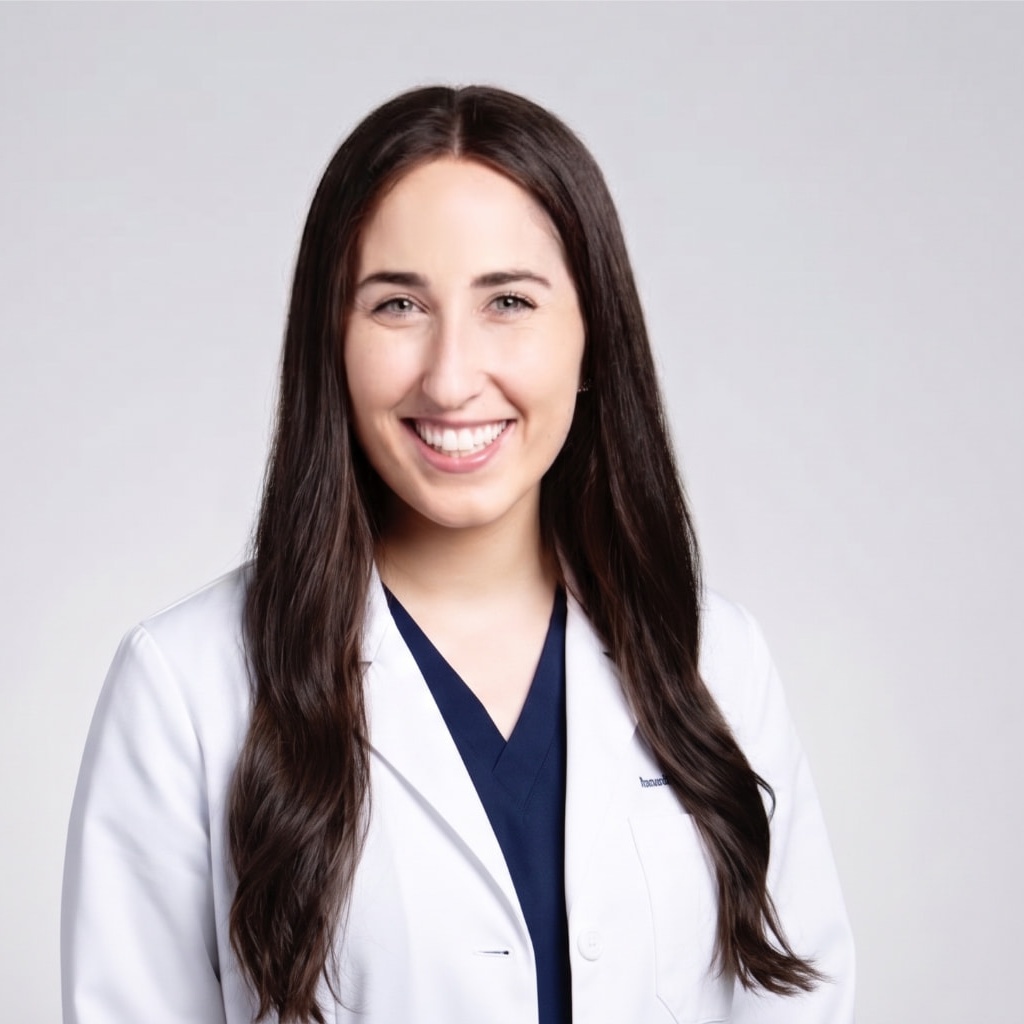
Portrait of Dr. Rebecca Kellner, founder of Draw Medicine

Rebecca Kellner

Dr. Rebecca Kellner

Founder of Draw Medicine

Inside the Fellowship

Learn medicine. Then learn to communicate it.

Case-based learning modules spanning 8 areas of medicine — each one walking you through a real patient case, the pathologies, the procedures, and how to communicate them clearly.

Build Your
Foundation
Anatomy & Physiology

Before you can communicate medicine, you have to understand it. Each module opens with a short introduction into the anatomy and physiology of that specific area of the body — giving you the context you need to truly grasp the pathology and procedure we walk you through.

Think Like a
Clinician
Patient Case

You'll work through how to think like a doctor with real clinical cases. A patient walks in with symptoms — now what? You learn what questions to ask, what's the diagnosis, what procedure is necessary, and how to evaluate and assess patients holistically. Your first taste of med school, before med school.

Learn to Draw It &
Explain It
Draw & Communicate

This is where the magic happens. You'll learn to communicate each condition both verbally, using simple clear language, and visually — drawing every pathology and procedure by hand in a way any patient can understand. The goal is to build your skills so that you can draw any pathology and procedure in any area of medicine.

Connect, Practice &
Grow
Live Workshops

Weekly, live guided trainings focusing on patient communication and health literacy that bring the fellowship to life. Sessions build on each other, guided by practicing doctors and grounded in community. Join a community of like-minded Fellows who want to integrate art with medicine.

Not an artist? Good.
Neither were they.

No art background required. We’ve developed a proven methodology that can teach you how to draw in just a few weeks.Through digital drawing, we’re able to streamline the process — and plus, there’s no such thing as a mistake!Have an art background? Even the most advanced artists learn drawing skills in addition to learning medicine.

Summer 2027 cohort

Tuition & dates.

Ten weeks over the summer, fully remote. Applications are reviewed on a rolling basis and cohorts are capped so every Fellow gets feedback on their work.

Starts
June 2027
Length
10 weeks
Format
Remote, asynchronous
Commitment
2–3 hours per week
  • 30+ guided training videos
  • Live workshops with doctors
  • Template library, yours to keep
  • Health Literacy Certification
Apply now

Questions

Before you apply.

We don't fund Fellows — we train them.

Every part of this program exists for one reason: to help you become the best clinician you can possibly be.